

Himachali weddings are a vibrant and community-focused celebration that is deeply rooted in traditions, spirituality, and nature. The heart of these celebrations lies in the holy ritual of Kanyadaan. It means “the giving away of the bride.” It is the symbol of love, trust, and responsibility. In Himachal Pradesh, this ritual is not just a ceremonial formality but a deeply meaningful practice that reflects the region’s unique customs, values, and social fabric. If you are also interested in knowing about the Kanyadaan meaning Himachal Pradesh marriage traditions, and their importance, then keep reading this blog.



What is Kanyadaan? Meaning and Significance
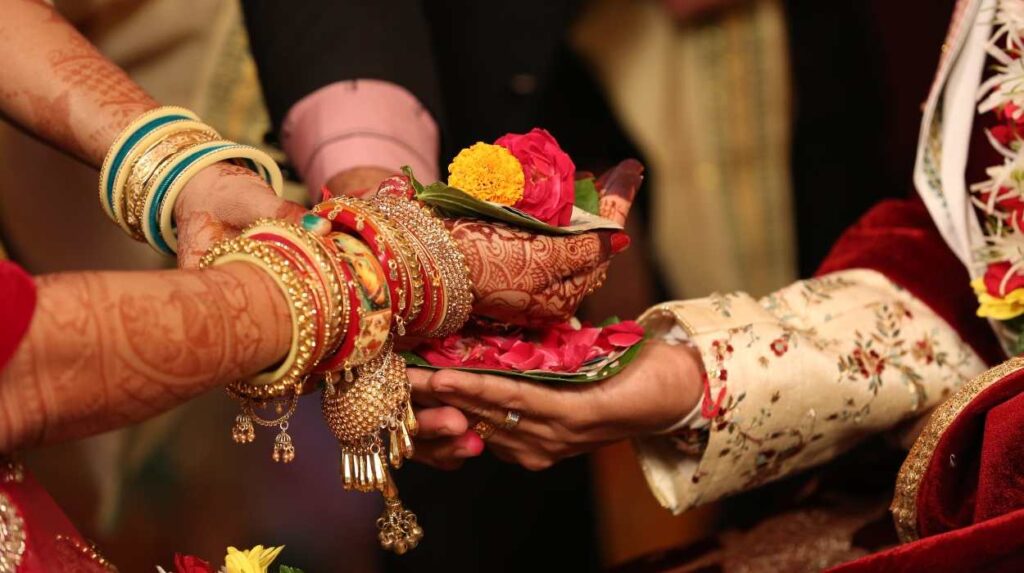
Kanyadaan is derived from the Sanskrit words “Kanya” (daughter) and “Daan” (gift or donation). It means “the giving away of the bride.” It is known as Mahadaan. It marks the crucial moment when the bride’s parents, especially the father, entrust their daughter to the groom. In Hindu philosophy, it is considered one of the highest forms of charitable acts. It is seen as a holy act of trust and responsibility, where the bride’s parents give their daughter to the groom and his family. The ceremony also reflects societal values and the importance of family honor and the blessing of elders for a peaceful and happy married life.
Cultural Context of Kanyadaan in Himachali Culture
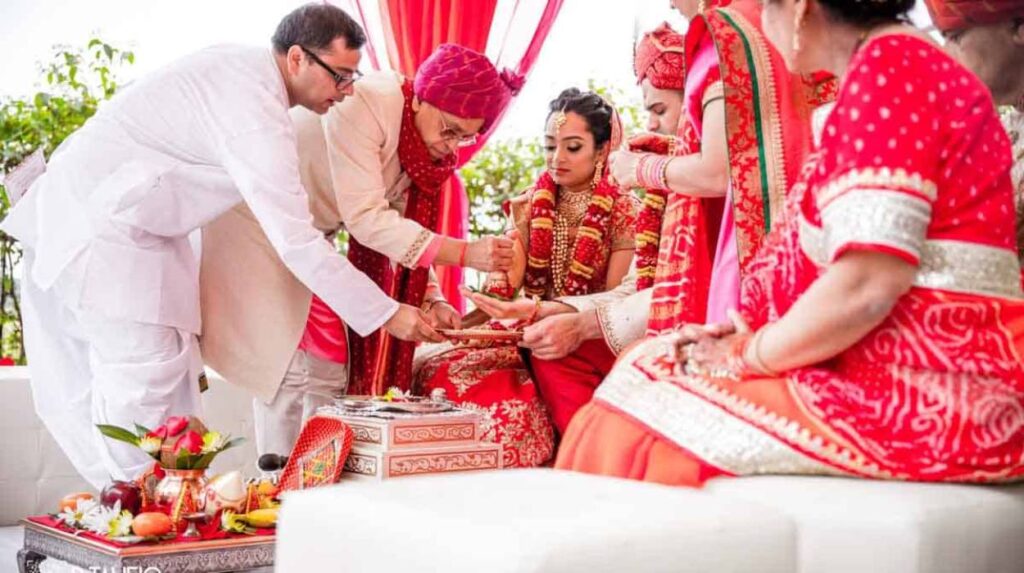
In Himachal Pradesh, Kanyadaan has been an important part of marriage rituals for centuries. The ceremony is closely tied to local festivals, folk traditions, and the region’s mountainous lifestyle. Himachali Kanyadaan is different from other North Indian traditions in several ways, like the sequence of rituals, attire, and involvement of extended family members. In many districts, such as Kullu and Kangra, the ceremony songs, symbolic offerings, and region-specific blessings make it different. These local practices highlight the unique way of Himachali weddings.
The Role of Kanyadaan in Himachali Weddings
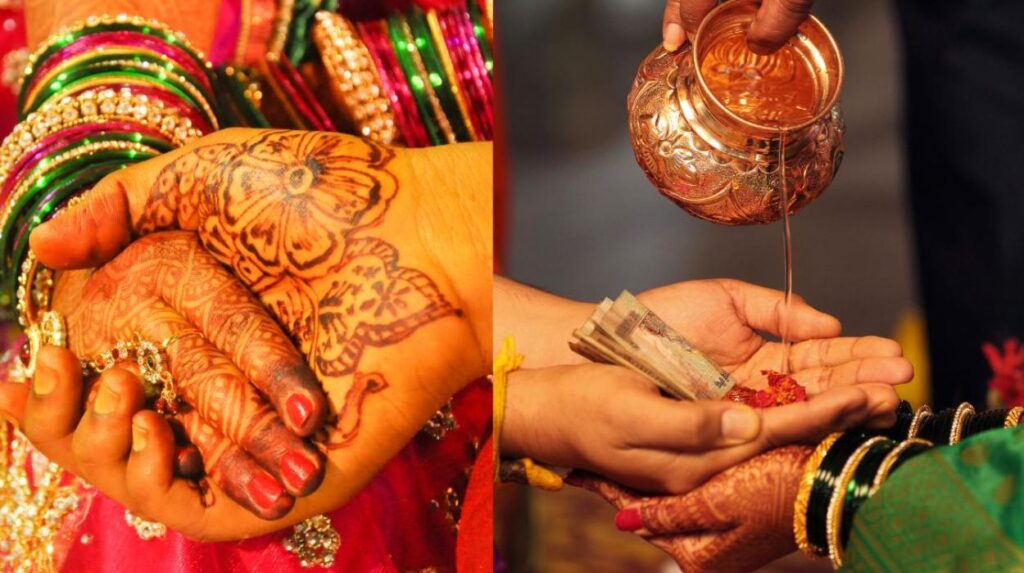
In Himachali wedding traditions, Kanyadaan is a crucial, deeply emotional, and holy ritual that symbolizes the highest form of giving. It shows an important moment when the bride’s parents give their
daughter to the groom, marking her transition from daughter to wife.
1. Symbolic Significance
In Himachali marriage traditions, giving away a daughter is considered the highest and most selfless act a parent can perform. It symbolizes the father entrusting his most lovely possession to a new family and hoping the groom will care for her with the same love. At the same time, it signifies that the marriage is not just a union of two persons but a formal binding of two families and their traditions.
2. The Ritual Process
In Himachali marriage traditions, the Kanyadaan ceremony begins with Hastamilap, where the father of the bride places her right hand into the right hand of the groom. When this ritual happens, the bride’s mother pours holy water or milk over the joined hands, which flows down to the groom’s hands. This ritual is performed before the Pheras. During this process, the groom is revered as a representative of Lord Vishnu, and the bride is considered as Goddess Lakshmi.
3. Ceremonial Practices in Himachal Pradesh
In Himachali marriage traditions, Kanyadaan is considered the most emotional moment, where the daughter leaves her home to begin a new life. The ritual reflects strong family values because if the parents are not present, an uncle, brother, or senior male relative performs the role of giving the bride away. Then, following the Kanyadaan, the couple takes their steps toward the Saptapadi (seven pheras).
Observation of Traditional Customs in Modern Weddings
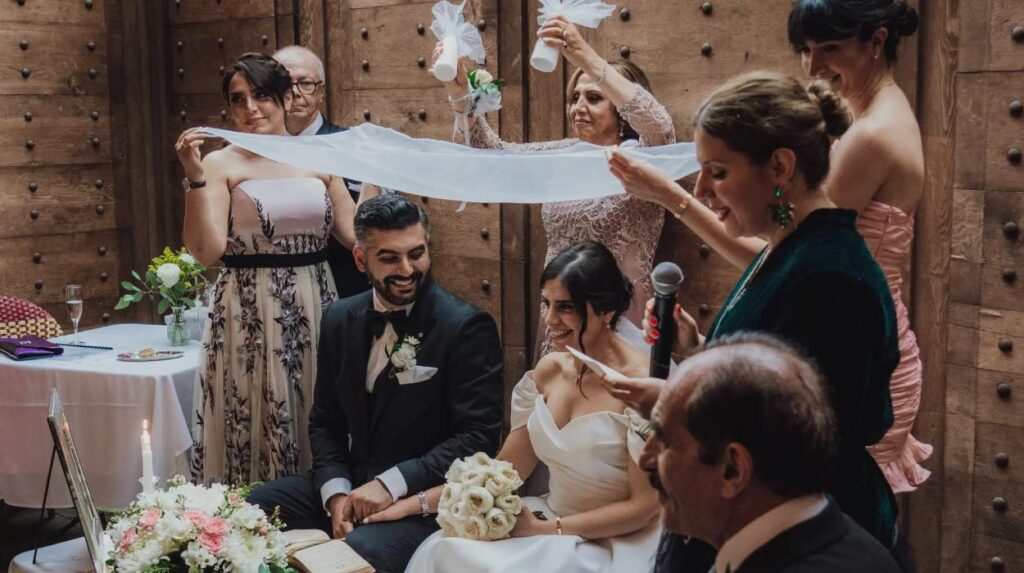
Even in modern times, Himachali weddings are a blend of traditional customs with contemporary celebrations. Rituals, like Kanyadaan, Saptapadi, Mana Swagat, and Dham, remain central, though often condensed into shorter timelines. This balance allows couples to honor their cultural heritage.
1. Focus on Core Rituals
Modern Himachali weddings continue to honor essential rituals such as Kanyadaan, Saptapadi, and Grah Praves and maintain their spiritual and cultural significance. While the ceremonies may be shorter or adapted to contemporary schedules, the core symbolism of blessing, responsibility transfer, and marital vows is preserved.
2. Adaptation of Ceremonial Practices
Himachali traditional customs are often adjusted to fit modern lifestyles. For example, Dham feasts may be served on plates instead of leaves, and Nati dance performances might be performed on smaller stages or even professionally. These adaptations keep the customs alive while making them more convenient and accessible for modern families without losing cultural essence.
3. Symbolic Interpretation of Rituals
In modern weddings of Himachal Pradesh, some rituals are observed more symbolically than literally. For example, Kanyadaan is increasingly seen as a blessing and mutual family respect, rather than literally “giving away” the bride. This shift reflects changing societal values, promoting equality, mutual consent, and partnership, while still maintaining the spiritual and cultural depth of Himachali traditions.
4. Family and Community Involvement
Even in today’s weddings, family and community participation and bonding play a huge role. Maternal uncles, extended relatives, and neighbors still play a huge role in Mama Swagat, gift exchanges, and Nati dances, which keep communal and emotional elements intact.
5. Balancing Tradition and Modernity
Modern Himachali weddings try to balance cultural heritage and present-day values. Couples may reduce the number of rituals or include modern entertainment, but they retain meaningful ceremonies and attire. By observing traditional customs in updated ways, families preserve regional identity, cultural pride, and emotional depth.
Conclusion
Kanyadaan in Himachali weddings is much more than a ritual; it symbolizes love, trust, responsibility, and the union of families. It is rooted in centuries-old traditions, and it reflects the region’s rich cultural heritage, spiritual values, and emotional depth. Even in modern weddings, these customs continue to adapt to contemporary lifestyles while preserving their importance.
In today’s world, finding a partner who shares these cultural values is just as important as honoring the rituals themselves. Wedmoo helps individuals and families find life partners who respect and understand these traditions. Our platform combines modern technology with a deep respect for local customs and offers verified profiles and smart matchmaking, preserving both traditional and meaningful connections. You can connect with us to meet your ideal partner who values Himachali customs.