
Marriage is a milestone that shapes lives, and it is one of the most significant decisions in life. The debate between arranged marriage vs love marriage has been ongoing for decades. Love marriages revolve around personal choice and emotional bonds, while arranged marriages often involve family guidance, cultural values, and careful matchmaking. In 2026, the line between these two forms is changing, with modern couples blending tradition and personal freedom. Understanding the differences, benefits, and realities of both can help individuals make informed choices about their future. This blog will highlight the benefits, realities, and what really works in today’s life.
What is Love Marriage?
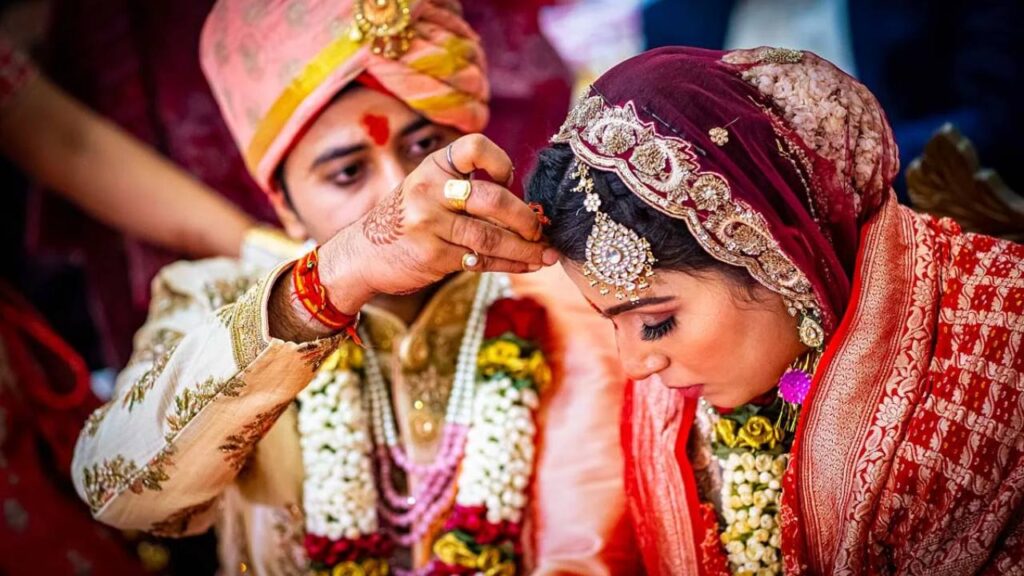
A love marriage is a union where partners choose each other based on mutual feelings, attraction, and understanding rather than family arrangements. The couple typically builds a romantic relationship and knows each other well before deciding to marry.
What is an Arranged Marriage?
An arranged marriage is a union where partners are chosen by families or matchmakers rather than by each other. Parents usually select potential spouses based on shared backgrounds, values, and compatibility, rather than personal romantic choice. Arranged marriages focus on family guidance and long-term stability, and ensure support from both families.
Arranged Marriage vs Love Marriage: Difference
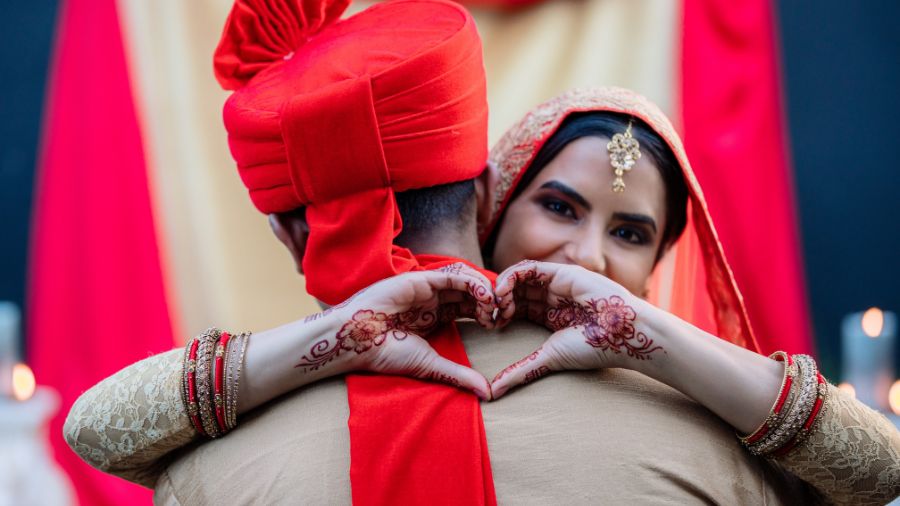
The main difference between arrange marriage vs love marriage lies in the origin of the relationship, and the role of the family in partner selection. While love marriage prioritises personal, pre-existing emotional connections, arranged marriages are traditionally structured around family-approved compatibility.
1. Selection and Foundation
- Love Marriage: Partners select each other based on personal, romantic, or intellectual attraction. The couple often has a long courtship, building a strong, established, and pre-existing emotional bond before marriage.
- Arranged Marriage: Parents or family members select the partner based on factors such as education, family background, culture, and career. Love is often expected to develop after the wedding through mutual adjustment.
2. Role of Family
- Love Marriage: Families play a peripheral or supporting role; sometimes they go against the match due to differences in caste, culture, or personal preferences.
- Arranged Marriage: Family involvement is central. Parents guide the process, ensuring shared values and providing strong ongoing support to help the couple manage challenges.
3. Compatibility Factors
- Love Marriage: Love marriage is based on love, friendship, and shared interests. Couples choose each other freely. However, they may not fully consider practical issues, like finances, family expectations, or long-term future planning, beforehand.
- Arranged Marriage: Compatibility is measured by social, cultural, and socioeconomic factors, aimed at long-term stability and aligning two families.
4. Adjustments and Expectations
- Love Marriage: Due to high initial intimacy, couples may face challenges when idealistic expectations clash with the realities of married life.
- Arranged Marriage: Partners often enter with more practical expectations, which can lead to easier adjustment, as both parties are committed to building a life together from scratch.
5. Social Acceptance and Stability
- Love Marriage: While becoming more common, they may still face societal or parental scrutiny, especially in traditional communities.
- Arranged Marriage: Generally more socially accepted in traditional settings, with lower divorce rates, family support, and commitment to making the marriage work.
Love Marriage vs Arrange Marriage: Which Works Better?
Arranged marriage vs love marriage; both have unique strengths. The success of either depends more on the couple’s understanding, respect, and commitment than on how the marriage started.
- Emotional Connection and Love: Love marriage often begins with a strong emotional bond. Partners already know each other well, share interests, and have built intimacy before marriage. This can lead to high initial satisfaction and deeper personal compatibility.
- Stability and Support: They usually involve family participation, which creates a strong support system. Families often consider financial security, education, values, and cultural background, helping ensure long-term stability and smoother adjustment.
- Long-Term Satisfaction: Love marriages may offer higher emotional satisfaction over time due to pre-existing understanding. Arranged marriages may show stability because of shared values and family backing.
1. Which Works Better?
Neither is automatically better in the debate of arranged and love marriages. Love marriages focus on emotional compatibility, while arranged marriages emphasise stability and family alignment. Today, many couples combine both approaches, choosing their partners while involving families or choosing to find brides and grooms online to blend the traditional with modern convenience.
2. How to Convince Parents for Love Marriage?

One of the biggest challenges in a love marriage is gaining parental acceptance. Convincing parents for a love marriage needs patience, understanding, and respectful communication. Introduce your partner gradually and highlight shared values, education, career stability, and family background. Address their concerns calmly and show maturity in your decision-making.
Reality Check in 2026
Marriages in 2026 are a mix of tradition and modern thinking. Couples are increasingly balancing personal choice with family involvement, showing that love marriages and arranged marriages are evolving to suit the current lifestyles.
1. Modern Perspectives on Marriage
Modern couples value emotional compatibility, mutual respect, and shared goals. Even in traditional families, individuals involving their families in choosing their partners, is becoming common. Many are also exploring ways to find brides and grooms online to combine convenience with family approval.
2. Statistical Trends and Insights
Recent data shows rising marriage ages, increased focus on financial stability, and more couples preferring pre-marriage compatibility assessments. Study shows that emotional satisfaction is higher in love marriages, while arranged marriages show stronger family support and lower divorce rates. These trends highlight the growing middle ground between arranged marriage vs love marriage.
3. Expert Opinions and Case Studies
Relationship experts show that long-term success depends less on whether it’s a love marriage vs arrange marriage, and more on communication, trust, and shared life goals. Studies show that couples who handle problems calmly, plan for the future together, and involve families usually have happier and more stable lives.
Conclusion
In 2026, the debate of arranged marriage vs love marriage is no longer about which is better; each has its own strength. Love marriages offer emotional compatibility and personal choice, while arranged marriages bring strong family support and stability. Today, many couples find the middle path, choosing their partner while involving families or using modern marriage tools to create a balance between tradition and personal freedom.
If you are also looking for a reliable online marriage app, then you can visit the Wedmoo matrimonial site. We help individuals discover compatible partners through verified profiles and smart matchmaking. You can contact us to make your journey to finding your life partner simpler and more meaningful.
Also Read:
Frequently Asked Questions
Which is better: love marriage or arranged marriage?
Neither is universally better. Love marriage is better for couples who value independence, while arranged marriage is better for those who prefer family involvement.
What are the advantages of love marriage?
Love marriage enables the couple to know each other well, provides emotional bonding, and provides freedom of choice.
What are the benefits of arranged marriage?
Arranged marriages provide family support, social compatibility, and shared values, which often help in long-term stability.
Is love marriage more successful than arranged marriage?
Success is based on understanding, communication, and respect—not the type of marriage.